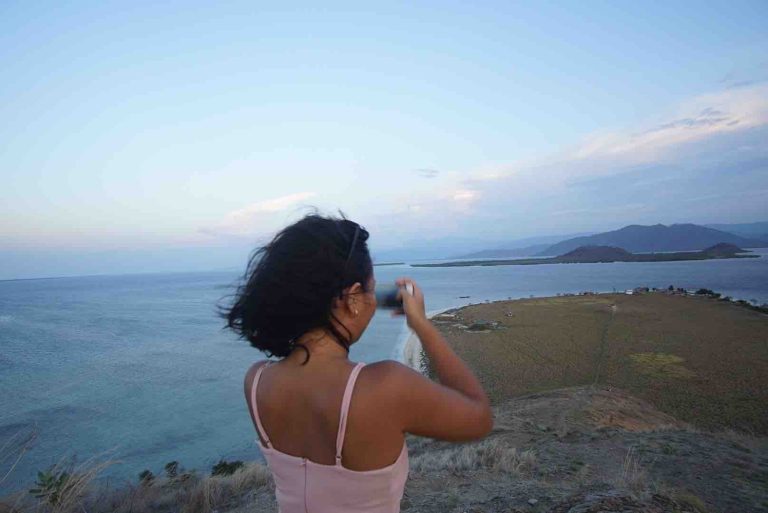
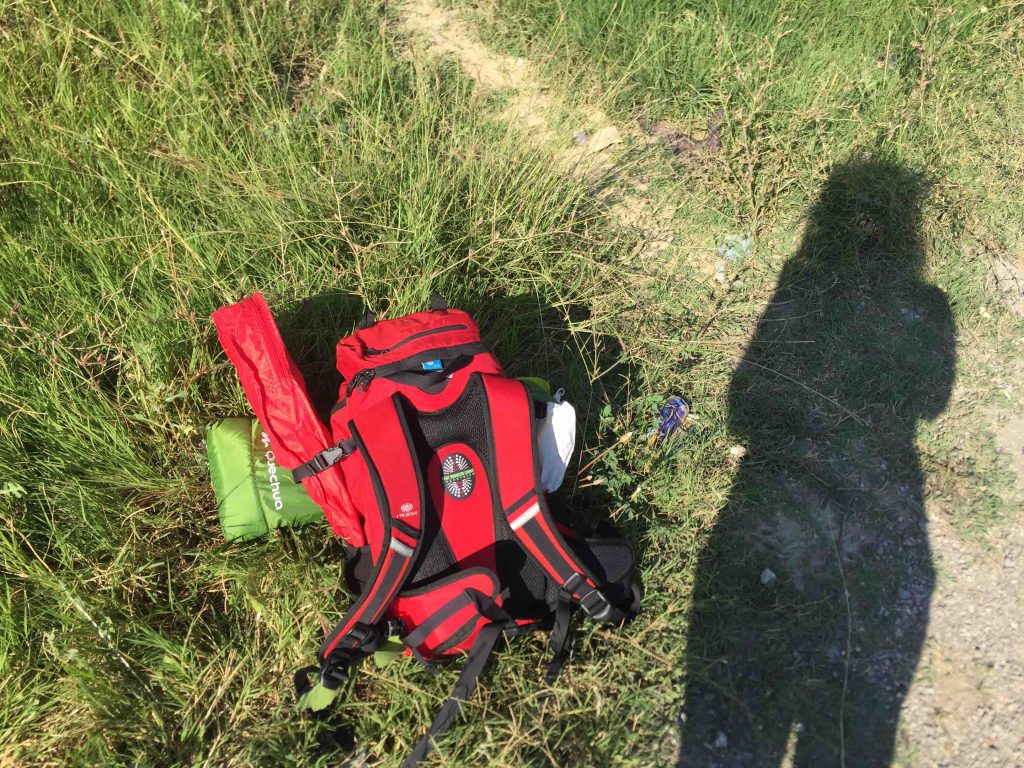
Hostels are often recommended to solo travelers, especially women, as places to meet people and save money. But the reality of staying at a hostel as a woman traveling alone is more nuanced than the glossy advice you usually see online. After staying in hostels across different countries and travel styles, here’s what it’s really like — the good, the challenging, and the things I wish I’d known sooner.
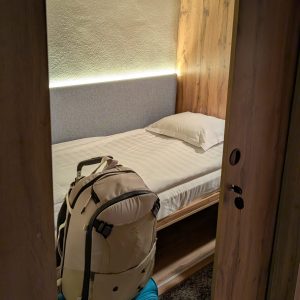
Why I Chose Hostels
For me, who enjoys traveling alone, hostels aren’t just about budget — they’re about connection. Solo travel can be incredibly freeing, but it can also feel lonely at times. Hostels offer built-in social opportunities without forcing interaction.
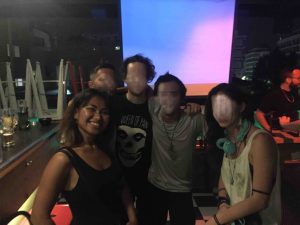
I’ve chosen hostels because:
- I didn’t want to feel isolated at night
- I wanted people around, even if I didn’t talk to them
- I valued flexibility over luxury
- I wanted to meet other solo travelers, especially women
In many ways, hostels can feel safer than being completely alone in a hotel room — but only if you choose the right one. Which brings us to the next important point:
Choosing the Right Hostel
I always check these things before booking:
- Reviews from other women
- Location (central, well-lit, walkable)
- Female-only dorms
- 24-hour reception
- Secure lockers and key-card access
I observed that sometimes female-only dorms are more expensive than the mixed ones. So, is it worth it? For me yes. Female-only dorms were a game-changer for me. They don’t eliminate all issues, but they often provide a greater sense of comfort — especially for first-time hostel stays.
If it’s your first hostel experience as a solo female traveler, I always recommend starting with a female-only dorm.
Dorm Life as a Woman: The Honest Reality
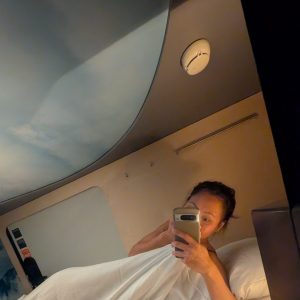
Sharing a room with strangers requires adjustment — especially as a woman. Changing clothes, storing valuables, and sleeping lightly become part of daily life.
Things that helped me:
- Bringing a sarong or large scarf for privacy
- Using a small lock for my locker
- Packing earplugs and an eye mask
- Choosing lower bunks when possible
Most people are respectful, but it’s okay to prioritize your comfort — always.
Safety in Hostels: Trust Your Instincts
I’ve felt safe in most hostels — but I’ve also trusted my gut and changed plans when something didn’t feel right.
Safety tips I swear by:
- Never ignore discomfort, even if you can’t explain it
- Keep valuables close
- Avoid oversharing personal details
- Choose hostels with visible staff presence
Hostels aren’t inherently unsafe — but awareness is key.
The Social Side: Connection Without Pressure
One of the most beautiful things about hostels as a solo female traveler is the ease of connection. Conversations happen naturally — in kitchens, common rooms, or while waiting for laundry.
I’ve met women from all over the world who shared advice, encouragement, and solidarity. That sense of community is something hotels rarely offer.
That said, you don’t owe anyone your time or energy. It’s okay to:
- Say no to plans
- Take time alone
- Retreat to your bunk
Solo travel is about choice — hostels shouldn’t take that away.
Cleanliness & Comfort: Better Than Expected
Modern hostels are often much cleaner than people expect. Many have daily cleaning schedules, clear rules, and well-maintained spaces.
Still, shared spaces mean shared responsibility — and that can be unpredictable. I always keep:
- Flip-flops for shared showers
- A small toiletry bag
- Disinfectant wipes
When Hostels Are Amazing — and When They’re Not
Hostels are amazing when:
- You’re open to meeting people
- You want shared experiences
- You’re emotionally and physically well
They’re not ideal when:
- You’re exhausted
- You need quiet or privacy
- You’re feeling vulnerable
Listening to yourself is part of traveling well.
Final Thoughts: Should Solo Female Travelers Stay in Hostels?
Staying at a hostel as a solo female traveler isn’t just about accommodation — it’s about navigating space, comfort, and connection on your own terms.
Hostels can be empowering, comforting, chaotic, and deeply human. They’ve given me friendships, confidence, and unforgettable stories — but only because I learned how to choose and experience them intentionally.
If you’re curious, try one — start small, trust your instincts, and remember: you’re allowed to shape the experience in a way that feels right for you.